Health Screening
Whole-body cancer screening versus an organ package
Written by Mr Stephen LingamReviewed by Dr Mohammad Bakhtiar (GMC 4694470) on
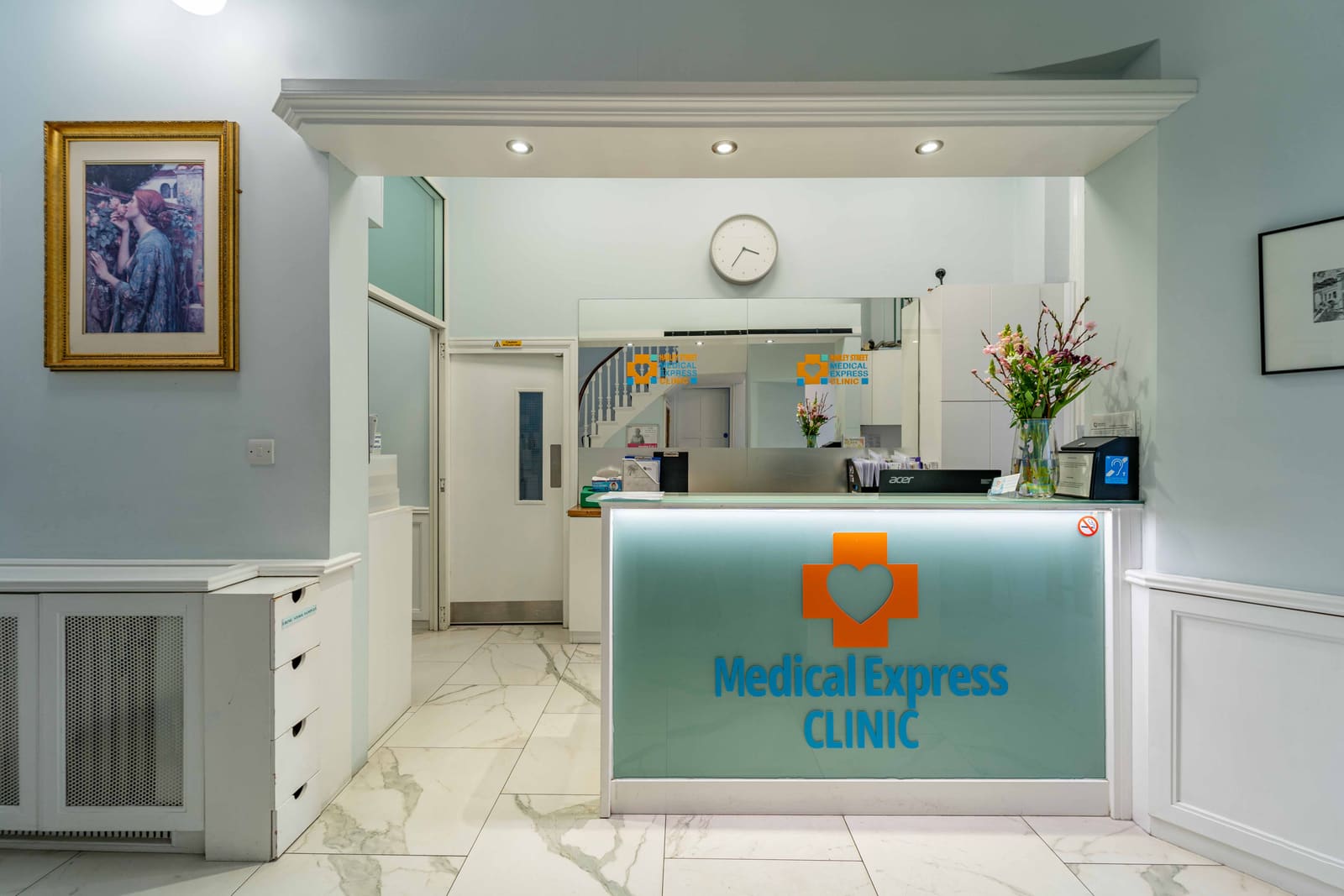
A family history, a milestone birthday or a late-night search can leave three Harley Street cancer options open on your screen: a whole-body cancer screen, a package for one organ, and the Ultimate Health MOT with MRI. They look like three sizes of the same thing.
They're three different tools. Whole-body cancer screening looks widely, with MRI and a circulating-tumour-cell blood test. An organ package looks closely at one site, with the picture that site needs. Ultimate is a doctor-led Health MOT whose imaging is 3T MRI of the brain, MRA, whole spine and torso. Choosing by the question you have, and not by the size of the scan, is what gets you a useful answer.
If you already know which you need, every option is on our cancer screening page at 117a Harley Street, with organ packages from £299. If you're still deciding, the package quiz is a booking aid that can help you narrow it down.
What does whole-body cancer screening include?
Our whole-body cancer screening starts with a full-body MRI from head to thigh and a circulating-tumour-cell blood test that looks across a wide list of tumour types. Around those sit a doctor examination and ECG, a comprehensive blood panel, an in-person review, and twelve months of private GP access. It's currently published at £3,499 on the whole-body cancer screening page; confirm the live fee when you book.
It's designed for adults without symptoms, typically over 40. The clinical team can consider a younger age when your medical history, family history or a genetic predisposition makes that reasonable.
| Option | What it uses | Best for |
|---|---|---|
| Whole-body cancer screening | Full-body MRI and a circulating-tumour-cell blood test | A wide look when no single organ is the question |
| Organ package | The test that one site needs, such as a mammogram, low-dose CT, CT colonography or prostate MRI | A named site, family history or symptom cluster |
| Ultimate Health MOT | 3T MRI of brain, MRA, whole spine and torso inside a doctor-led MOT | A whole-person Health MOT that includes wide MRI |
Think of it as a wide net. It sits outside any NHS programme and has not been shown to reduce cancer deaths. The published safety information is candid in the way UK screening principles require. The blood test doesn't identify every cancer type, and it's meant to be read with other screening. A negative result doesn't completely eliminate the possibility of cancer, and a positive result means further diagnostic tests. False positives, false negatives and indeterminate results can all happen.
It helps to know the timings in advance. MRI reports are currently available within three working days, and the blood report around two weeks after your visit. That wait can feel long, and the result is still a screen that your doctor interprets with you.
The UK National Screening Committee describes screening as identifying apparently healthy people who may have an increased chance of a condition, with further tests often needed. No test is perfect, and that applies to private screening too.
Why does each organ have its own test?
MRI gives a detailed picture of anatomy, as NHS pages explain. Each organ, though, has a test built for the way disease shows up there, and that's the test evidence-based screening uses.
Breast
A mammogram uses X-ray to look for calcifications and structural change in breast tissue, which is a different picture from whole-body MRI. Our breast screening packages start from £449, with mammography from 40. Ultrasound comes in when dense tissue or age makes it the better first image, and breast MRI is on the highest tier. Keep your NHS Breast Screening Programme invitations if you're eligible.
Lung
UK lung programmes use low-dose CT of the chest to look for nodules in people at higher risk from smoking. CT can show small nodules that a chest X-ray misses, and a torso MRI is a different magnet doing a different job. Lung packages start from £395, with low-dose CT on the higher tiers.
Bowel
The NHS bowel programme uses a stool FIT kit. To look at the colon itself, you need colonoscopy, or CT colonography for a virtual view. Bowel packages start from £499, with CT colonography on the higher tier.
Prostate
For many men, prostate checks start with an examination and PSA, moving to prostate MRI when imaging of the gland is the question. Whole-body MRI uses a general protocol, not a dedicated prostate one. Prostate screening packages start from £299.
So choose an organ package when a named site, a named family history or a cluster of symptoms already points at breast, prostate, lung or bowel. Choose whole-body cancer screening when you want the wide MRI plus the circulating-tumour-cell test, knowing that a positive or indeterminate result means more tests. A wide scan can't do an organ's job, and hoping it will can leave you with a reassuring report that never asked your question.
What about incidental findings?
Scanning a large area turns up things nobody was looking for: cysts, disc changes and small lesions. These then need explaining, sometimes with more tests that don't change your health. GOV.UK screening principles are clear that false positives cause extra investigation and worry, and that false negatives falsely reassure. A private whole-body scan carries both. Before you book, ask who explains an incidental finding and who writes the referral if one is needed.
How is Ultimate different?
The Ultimate Health MOT is our top personal Health MOT. Its imaging is 3T MRI of the brain, intracranial and carotid MRA, whole spine and torso, in place of chest X-ray and DEXA. That sits around a doctor-led examination, a long blood panel, ECG, lung tests and a results review. Men, and women without gynaecology, currently pay £2,950. Women with gynaecology currently pay £3,350.
Ultimate is a whole-person health check that happens to include wide MRI. Whole-body cancer screening is a cancer-focused visit built around MRI plus the circulating-tumour-cell test. Book Ultimate for the full MOT, and the whole-body screen when cancer is the focus.
Some MOTs also include tumour markers such as CEA, PSA, CA-125, HE4 and ROMA. Like a circulating-tumour-cell result, these are information for the doctor who examined you, who decides what, if anything, happens next.
Preparing for your appointment
- Bring previous scans, smears, prostate results and any family-history notes.
- Ask what happens if the blood test comes back positive, negative or indeterminate, so you know each next step in advance.
- If you're under 40, mention it when you book, so the team can consider your history.
- Keep going to your NHS breast, bowel and cervical screening.
Screening is for people who feel well. See a GP or get urgent assessment if you have a new lump, you're coughing blood, you've lost weight without explanation, or your bowel habit has changed and stayed changed. NICE suspected-cancer guidance (NG12) sets out how those symptoms are investigated. In an emergency, call 999 or go to A&E.
To book the whole-body screen, see the whole-body cancer screening page or call 020 7183 7056. For what a blood test alone can show, read can a blood test detect cancer. If family history is the reason you're looking, see family history and package choice.
Frequently asked questions
Is whole-body cancer screening an all-clear?
It's a wide screen, not an all-clear. A negative circulating-tumour-cell result doesn't completely eliminate cancer, a positive result needs further tests, and false positives, false negatives and indeterminate results can all occur.
When should I choose an organ package instead?
When a named site is your question. Breast packages start from £449, prostate from £299, lung from £395 and bowel from £499, each using the test that site needs.
Does whole-body MRI replace a mammogram or a bowel test?
Each organ has its own test. A mammogram looks for breast calcifications with X-ray, bowel investigation uses FIT, colonoscopy or CT colonography, and low-dose CT is the chest-nodule test. MRI is a different instrument that works alongside them.
Is Ultimate the same booking?
Ultimate is a Health MOT with 3T MRI of the brain, MRA, whole spine and torso. Whole-body cancer screening is a cancer-focused visit with MRI plus a circulating-tumour-cell blood test.
What if I have a new symptom?
See a GP or get urgent assessment first, so the symptom is looked at directly. Call 999 or go to A&E in an emergency.
Does a laboratory flag on a tumour marker diagnose cancer?
A flag is extra information for the doctor, who reads it with your examination and imaging and decides what happens next.
How do I choose if I am still unsure?
Try the package quiz as a booking aid, then choose whole-body cancer screening, a named organ package, or Ultimate as a Health MOT.
Sources
- UK National Screening Committee. Principles of screening
- NICE. Suspected cancer: recognition and referral (NG12)
- NHS. MRI scan
- NHS. Breast screening (mammogram)
- NHS. Bowel cancer screening
- NHS. PSA test
- Health Screening Clinic. Cancer screening
- Health Screening Clinic. Whole-body cancer screening
- General Medical Council. Medical register, Mohammad Bakhtiar, 4694470
Related screening
Stephen Lingam
Managing Director
Managing Director of Medical Express Clinic and the Health Screening Clinic since 1984. Over 40 years of operational experience in private healthcare on Harley Street, overseeing patient care, clinical standards, and service delivery.

Dr Mohammad Bakhtiar
MD, PhD, LRCP, MSc, DHMSA
Clinical Lead
GMC: 4694470
Leading our clinical team with a focus on comprehensive men's health and preventative oncology protocols.
Last reviewed: 25/09/2026