Health Screening
How to prepare for a Health MOT
Written by Mr Stephen LingamReviewed by Dr Penny Sheehan (GMC 6056535) on
Your Health MOT is booked, and the questions start. Do you need to starve yourself? Should you stop your tablets? Will you be there all day?
Preparation is simpler than most people expect. Advanced, Elite and Ultimate need a minimum four-hour fast, and Essential needs no fasting. Beyond that, keep taking your usual medicines, drink water, wear comfortable clothes and bring the history that already exists on paper.
If you haven't chosen a tier yet, the four are compared on our Health MOTs page, starting with the Essential Health MOT at £495. The clinic's FAQ covers the common practical questions too.
One visit, then a review
The Health Screening Clinic has run doctor-led screening at 117a Harley Street since 1984 and is CQC registered. Every Health MOT includes a GP consultation, a physical examination, blood tests, a report and a review. You don't need a GP referral, but you do need to know which tier you booked, because the fast, the length of the visit and the specialist day all change with it.
The default is one coordinated visit. When your tier includes imaging, it's arranged as part of the same booking, and the Ultimate MRI is performed at our Harley Street imaging partner on a 3T scanner. Results come later, because laboratory work and, at higher tiers, radiology have to be reported before the review can give you a straight answer. Essential and Advanced reports typically take a few working days. Elite and Ultimate take longer where specialist reporting and MRI are involved. The review is the appointment that matters, so leave room for it.
Essential: 45 minutes
The Essential Health MOT is £495. Allow 45 minutes; it runs Monday to Friday, and it needs no fasting. Arrive well hydrated, which makes your blood test quicker and more comfortable, and wear clothes you can move in for the examination and body-composition measurements.
Eat as you normally would that morning unless the clinic has given you a different instruction for a specific add-on. Essential is the baseline: consultation, examination, ECG, oxygen saturation, body composition and a metabolic blood panel. With no chest X-ray, DEXA, spirometry, ultrasound or MRI, there's no imaging preparation to think about. The same doctor usually reviews your results a few working days later.
Advanced and Elite: a four-hour fast and a longer visit
Fast for a minimum of four hours; water is fine. The Advanced Health MOT is £999, and you should allow 1 to 1.5 hours. The visit adds a chest X-ray, spirometry, a VO2 max assessment, expanded thyroid and hormone work, and a DEXA scan when clinically indicated, plus four GP appointments over 12 months, shareable with immediate family. DEXA is decided after the assessment, and the team will tell you if it's indicated, so there's nothing to prepare for it in advance.
The Elite Health MOT is £1,850 for men and £2,095 for women. Allow 2.5 to 3 hours, with the same minimum four-hour fast. Women's Elite runs on Thursday and Friday specialist days; men's Elite is available Monday to Friday. Elite still includes the chest X-ray, and DEXA when indicated, rather than a full-body MRI.
Wear clothes that are easy to change out of if you're having pelvic or abdominal ultrasound, a smear, or a mammogram from age 40. If a mammogram is booked, skip deodorant, talc and lotion on the breast and underarm. NHS breast screening gives the same advice, because residue can show on the film.
Bring previous smears, mammograms, PSA results and ultrasound reports, and a note of your last menstrual period if that applies. Specialist imaging is far easier to read against a baseline than as a first picture.
Keep taking your medicines
Continue regular medicines unless a clinician has told you otherwise, in writing or on the phone. Blood pressure tablets, thyroid replacement, the contraceptive pill, HRT, inhalers and most long-term medicines are part of the history the doctor needs. If a hormone panel is on your menu, keep taking your HRT or pill as usual, because the doctor reads your hormones in the context of what you take.
If a tablet has to be taken with food, ask the clinic before the morning of your visit. A quick question then saves guessing on the day and needing a repeat blood test later.
Ultimate: the same fast, plus MRI safety
Fast for a minimum of four hours. Water remains fine unless you're given a separate instruction for a particular sequence. The Ultimate Health MOT is £2,950 without gynaecology and £3,350 with it. Allow 3 to 4 hours, including 60 to 90 minutes of MRI covering the brain, intracranial and carotid MRA, whole spine and torso.
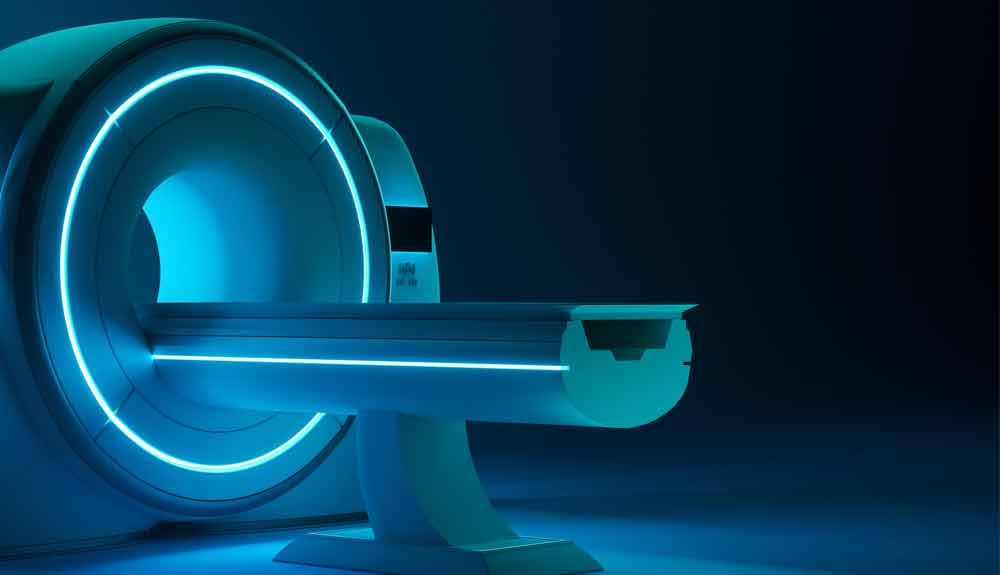
MRI safety is a conversation to have before the day. Tell the clinic if you have implants, a pacemaker, an older aneurysm clip, a cochlear implant, metal fragments, or a history of metal in the eyes. Most modern joint replacements and dental work are acceptable, though the imaging team still checks. If you're claustrophobic, say so: the scanner is a tube you lie in for 60 to 90 minutes, and the team can talk you through what that involves.
Ultimate replaces the chest X-ray and DEXA with that MRI protocol, and keeps the examination and the bloods. So the four-hour fast, comfortable clothes for the clinic part and your usual medicines all still apply. A clear MRI is reassurance rather than a cancer all-clear, and a cyst or disc change on the report becomes meaningful only once the doctor has put it in context.
What to bring, and what to tell the doctor
Bring a medication list with doses, your glasses or contact lenses, your inhalers, and any recent GP, clinic or hospital letters. Previous blood results let the doctor see whether a flag is new. For Ultimate, bring a pacemaker card, implant card or MRI safety letter if you have one.
Tell the doctor about family history, smoking, alcohol, pregnancies, fractures, and the question you want answered. Mention anything you've noticed, such as night sweats or rectal bleeding, because that changes how your results are read. Symptoms like these are also worth raising with your GP straight away, and if anything is severe or getting worse, call 999 or go to A&E in an emergency.
| Tier | Fast | Time |
|---|---|---|
| Essential | As your booking confirmation states | 45 minutes, Monday to Friday |
| Advanced | Minimum four-hour fast | 1 to 1.5 hours |
| Elite | Minimum four-hour fast | 2.5 to 3 hours; women Thursday or Friday, men Monday to Friday |
| Ultimate | Minimum four-hour fast | 3 to 4 hours, including 60 to 90 minutes of MRI |
- Write the medicine list the night before, including inhalers, contraceptives, HRT, supplements and anything you take only now and then.
- Put your last menstrual period, last smear, last mammogram and last PSA on the same sheet if they apply.
- Take water with you for the wait after the fast.
- Leave enough time that a late train doesn't squeeze an Elite or Ultimate visit.
- Keep time free for the review appointment afterwards.
- Keep your NHS breast, cervical and bowel invitations, which carry on alongside a private MOT.
Before you book, what a full body MOT includes compares the four tiers. After the day, what happens after a Health MOT flags something explains the review, and what happens on the day walks through the visit step by step. When you're ready, current inclusions are on the Health MOTs page, or call The Health Screening Clinic on 020 7183 7056.
Frequently asked questions
Do I need to fast for a Health MOT?
Advanced, Elite and Ultimate need a minimum four-hour fast. Essential needs no fasting. Water is fine unless you're given a separate instruction, and keep taking regular medicines unless the clinic has told you otherwise.
How long should I allow?
45 minutes for Essential, 1 to 1.5 hours for Advanced, 2.5 to 3 hours for Elite, and 3 to 4 hours for Ultimate including 60 to 90 minutes of MRI. Women's Elite runs on Thursday and Friday specialist days; men's Elite is available Monday to Friday.
Should I stop my tablets before the blood tests?
Keep taking them and bring a list. If a particular tablet has to be taken with food, ask the clinic before the morning. Hormone panels are read in the context of HRT, contraception and thyroid replacement, so carry on with those as usual.
Is the visit split across days?
The default is one coordinated booking. If imaging has to be timed separately for a safety or scheduling reason, the team will tell you.
What should I tell the clinic before Ultimate?
Implants, pacemakers, older aneurysm clips, cochlear devices, metal fragments, metal in the eyes, and claustrophobia. MRI isn't suitable for everyone, so the imaging team screens you before you're on the table.
Can I wear deodorant to Elite?
Skip deodorant, talc and lotion on the breast and underarm if a mammogram is part of the booking. Wear clothes that are easy to change for ultrasound or a smear.
Sources
- NHS. MRI scan
- NHS. Breast screening (mammogram)
- UK National Screening Committee. Principles of screening
- The Health Screening Clinic. Frequently asked questions
- General Medical Council. Medical register, Penelope Sheehan, 6056535
Related screening
Stephen Lingam
Managing Director
Managing Director of Medical Express Clinic and the Health Screening Clinic since 1984. Over 40 years of operational experience in private healthcare on Harley Street, overseeing patient care, clinical standards, and service delivery.

Dr Penny Sheehan
MBBS, MRCGP
General Practitioner
GMC: 6056535
Specialising in women's health, hormonal balance, and menopause management within screening contexts.
Last reviewed: 25/09/2026